14 July 2026
Written by Jesse Whittaker, AHPRA-registered physiotherapist, APA member
Recovering at Home After a Knee Replacement: Week-by-Week Guide
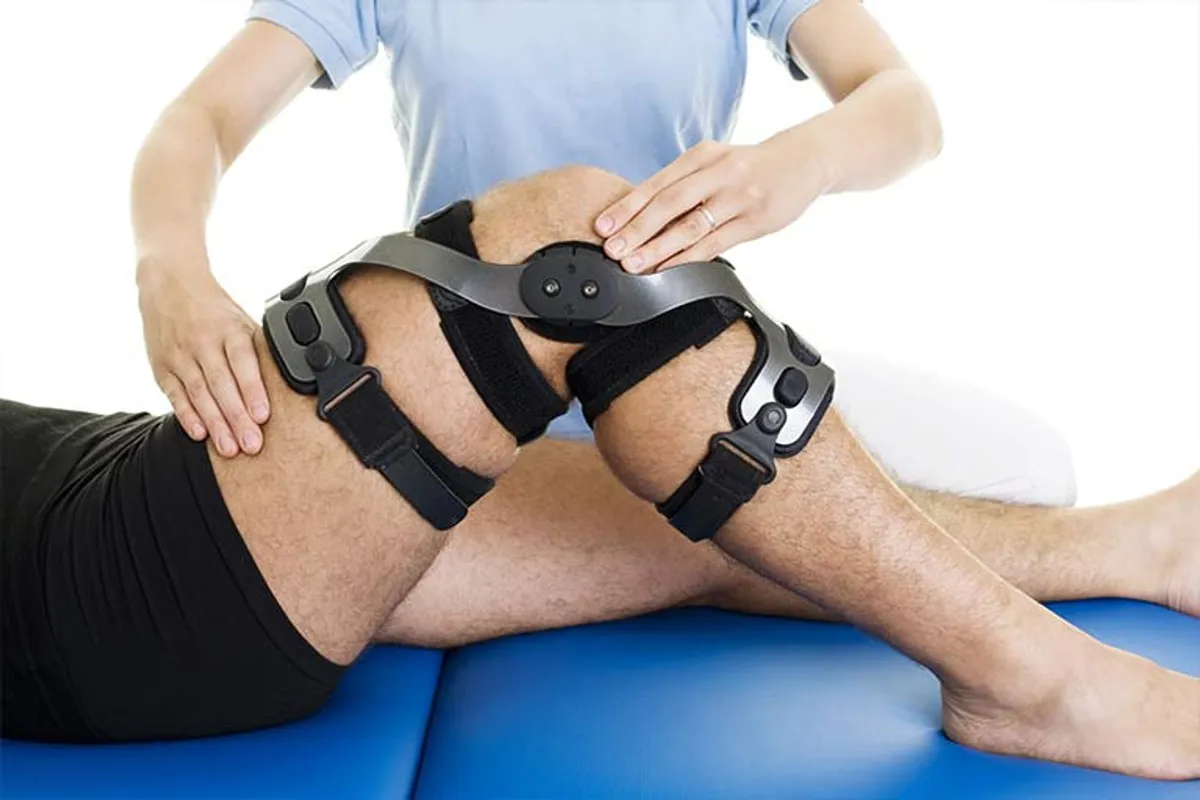
A total knee replacement is a big operation with a genuinely good ending. The middle part, the recovery, is where people feel most lost. Here’s what the first twelve weeks typically look like, based on what we see in Gold Coast homes every week.
One important note first: your surgeon’s protocol always wins. This guide describes a typical recovery. Yours will have its own quirks, and that’s normal.
Weeks 1–2: settle, move, manage swelling
The first fortnight is about three things: controlling swelling, protecting your range of motion, and moving safely around your own home.
- Swelling is normal and will be your companion for months, peaking around days 3–7. Elevation, ice and gentle movement are your best tools.
- Bend and straighten matter more than distance walked. Your knee is laying down healing tissue, and gentle, frequent bending stops it stiffening. Full straightening (getting the knee flat) is just as important. Don’t sleep with a pillow under the knee, however nice it feels.
- Walk little and often with your walker or crutches. Around the house, to the letterbox, building slowly.
- Expect rough nights. Sleep disruption is one of the most common (and least warned-about) parts of early recovery. It improves.
This is also the highest-risk window for losing progress, which is why we start home physio visits in the first week after discharge. You can’t drive to a clinic yet, and these weeks matter most.
Weeks 3–6: strength and confidence
- Walking distances stretch out. Many people are on a single crutch or a stick by weeks 3–4, and some are aid-free indoors by week 6. Everyone’s timeline differs, and matching a neighbour’s pace is not the goal.
- Exercises progress from bed-based to standing: sit-to-stands, step-ups, supported balance work.
- Most people can shower and dress independently, and stairs become manageable rather than intimidating.
- Around week 6 you’ll usually see your surgeon. Expect the knee to still be warm and swollen. That’s normal at this stage.
Weeks 6–12: back to your life
- Driving typically returns around weeks 6–8, once you’re off strong pain medication and can perform an emergency stop. For a right knee, this needs your surgeon’s tick of approval. Don’t rush it, as insurance can hinge on it.
- Strength work gets more ambitious: longer walks, single-leg work, and practising whatever your life actually demands, whether that’s beach walks, bowls, grandkids or gardening.
- Kneeling is often uncomfortable well beyond 12 weeks. Uncomfortable is normal, and it isn’t damaging the joint.
The milestones that actually matter
Forget comparing distances with people in Facebook groups. These are the markers we track:
- Knee fully straight when relaxed
- Bend of at least ~110 degrees for everyday life (stairs, chairs, cars)
- Walking without a limp, because a limp practised for months becomes a habit
- Confidence on stairs and uneven ground
- Sleeping through the night
When to call for help
Call your surgeon or GP promptly for: calf pain or swelling (one-sided), chest pain or breathlessness, fever, or a wound that’s increasingly red, hot or weeping. For “is this normal?” questions in between, that’s what your physio is for.
Recovering on the Gold Coast and can’t get to a clinic? That’s exactly what we do. Our post-surgery rehab starts in your home the week you’re discharged. Get in touch before your operation and we’ll have your first visit ready.

About the author
Jesse Whittaker
AHPRA-registered physiotherapist, APA member
Jesse is the founder of Shine Alliance and an AHPRA-registered physiotherapist who graduated from Griffith University in 2020. He works across the Gold Coast delivering physiotherapy in clients’ homes, with a special interest in neurological conditions, chronic and lower back pain, and balance and mobility.
More about JesseGeneral information only. This article is general education, not individual medical advice. For guidance specific to your situation, please speak with our team or your doctor.